Understanding Makki and Madani Verses: A Simple Guide to Quranic History
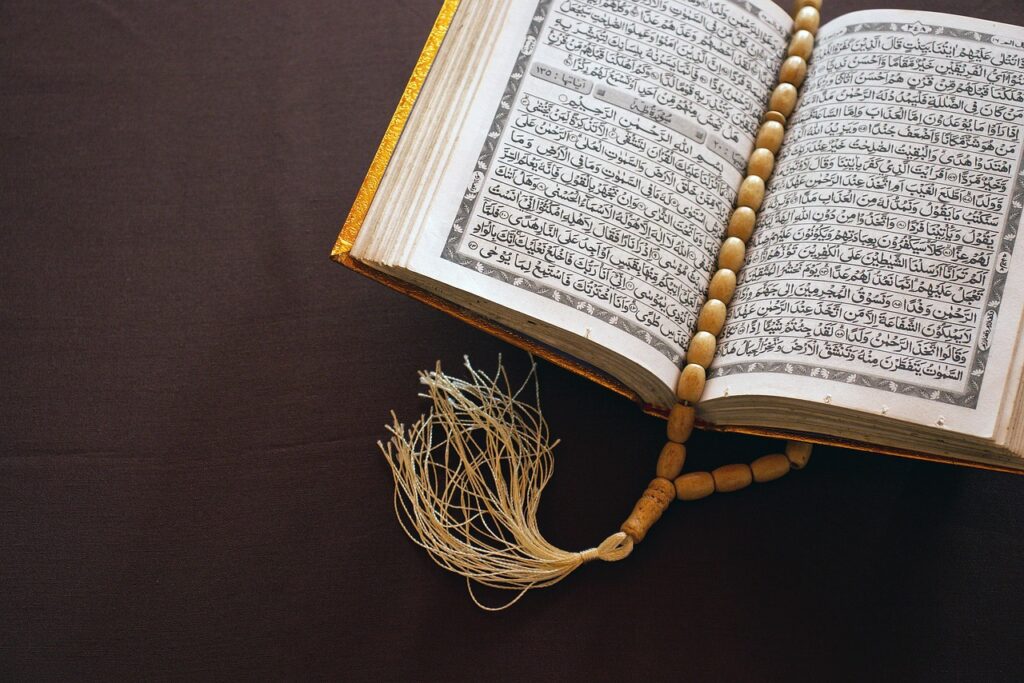
The Quran was revealed over approximately 23 years, adapting continuously to the needs, challenges, and growth of the early Muslim community. To better understand the historical context, themes, and wisdom behind each divine message, scholars of Quranic sciences (Ulum al-Quran) categorize its chapters (Surahs) and verses (Ayat) into two distinct phases: Makki and Madani.
Whether you are a student of Islamic studies or simply curious about Quranic history, understanding these two categories unveils the gradual, transformative nature of the Quran’s teachings.
1. What Do “Makki” and “Madani” Mean?
Scholars use three primary criteria to classify Quranic revelations:
A. The Time-Based Standard (The Most Recognized Criterion)
Makki Verses: Any verse or portion of the Quran revealed before Prophet Muhammad’s ﷺ Migration (Hijrah) to Madinah, regardless of whether it was revealed in Makkah or elsewhere.
Madani Verses: Any revelation given after the Migration to Madinah, regardless of location—including verses revealed during trips back to Makkah (such as the Conquest of Makkah or the Farewell Pilgrimage).
Why this matters: This chronological definition provides an accurate, objective timeline that covers every single verse without ambiguity.
B. The Location-Based Standard
Makki: Revelations received strictly in Makkah or its surrounding areas.
Madani: Revelations received in Madinah or its surrounding areas.
C. The Audience-Based Standard
Makki: Verses primarily addressing humanity in general or the people of Makkah (frequently using “O mankind” / «يَا أَيُّهَا النَّاسُ»).
Madani: Verses addressing the believers or the citizens of Madinah (frequently using “O you who believe” / «يَا أَيُّهَا الَّذِينَ آمَنُوا»).
2. How Scholars Identify Makki and Madani Verses
Scholars determine the origin of a verse or chapter through two main analytical methods:
Historical & Narrative Evidence (Naqli): Authentic reports passed down directly by the Companions (Sahabah) and Successors (Tabi’un), who witnessed the context of revelation firsthand.
Textual Analysis (Ijtihadi): Analyzing literary style, themes, tone, audience, and contextual clues within the text.
3. Key Traits and Themes of Makki Verses
During the 13-year Makkan period, Muslims were a small community facing heavy persecution and opposition. Consequently, Makki revelations focused on building a rock-solid spiritual foundation:
Monotheism & The Afterlife: Strong emphasis on believing in One God (Tawhid), prophethood, resurrection, judgment day, and descriptions of Paradise and Hellfire.
Proof of Prophethood: Confirming the divine message of Prophet Muhammad ﷺ and connecting it to earlier prophets.
Stories of Past Prophets: Accounts of early nations and prophets (e.g., Noah, Moses, Hud) to comfort struggling believers and remind people of historical consequences.
Logical Arguments Against Polytheism: Using clear logic and signs in the natural universe to dismantle pagan beliefs.
Moral Reform: Condemning social evils (like greed, injustice, and harming orphans) while establishing fundamental human virtues.
Short & Rhythmic Style: Characterized by shorter verses, poetic cadence, and emotionally charged language designed to awaken human consciousness.
4. Key Traits and Themes of Madani Verses
After moving to Madinah, the Muslim community evolved into an organized society and state. As a result, Madani revelations shifted toward practical governance, legal structures, and community life:
Detailed Laws & Religious Duties: Comprehensive rules for prayer, fasting, zakat, pilgrimage, jihad, marriage, divorce, business, and criminal justice.
Social & Legal Systems: Practical frameworks for establishing social justice, protecting rights, and maintaining order.
Interfaith Dialogue: Engaging with Jewish and Christian communities (People of the Book), clarifying theological distortions, and calling to common truths.
Exposing Hypocrisy: Addressing the social phenomenon of hypocrisy (Nifaq) in Madinah by defining the traits of hypocrites and warning against their schemes.
Governance & Defense: Rules regarding warfare, defense, peace treaties, alliances, and ethical guidelines during conflict.
By: Mr.Muhammad Naveed (Islamic Scholar)
Masha Allah, So knowledgfull.
Thanks for your valuable comment.